
Chaise longue: choose a style and material that suits your room
The most tempting mistake is to choose a chaise longue as though it were a daybed. A chaise longue has an elongated seat for stretching out, often with a backrest and an arm at one end. It’s made for reclining, reading or a short rest, not for long-term sleeping. Understanding that distinction is the first step in how to choose a chaise longue that suits your room and the way you’ll use it.
It’s easy to see why the two pieces can be confused: both invite you to pause and unwind. But a chaise longue’s more defined shape can bring an elegant, considered feel to a corner, bay window or bedroom without replacing a bed or sofa.
This guide explains the difference between a chaise longue and a daybed, then helps you weigh style, upholstery and placement. From the tactile warmth of fabric to the character of leather or velvet, you’ll find practical ways to choose a piece that complements your furniture and creates a welcoming place to relax.
Table of Contents
1. What is the difference between a chaise lounge and a daybed?
A chaise longue, also called a chaise lounge, is an elongated seat designed for reclining, reading or a short rest. It usually has a backrest and one arm, rather than arms on both sides, although some designs are armless. A daybed has a broader, bed-like surface that’s better suited to stretching out fully. Since the name alone doesn’t tell you every detail, check the shape and intended use before choosing.
A chaise lounge isn’t designed for long-term sleeping or as a substitute for a sofa. Its single-sided support creates a defined place to recline, making it useful in a bedroom, study or living-room corner. A daybed often looks larger and more open, and can serve as both seating and a place to lie down. For example, choose a chaise for a reading nook; consider a daybed when you want a bed-like surface for daytime lounging.
Framed designs make their structure part of the look. An upholstered frame gives a chaise a clear outline, with the back and arm shaping the seat. Frameless or low-frame designs have a softer, less defined profile, so cushions play a more prominent visual role. Compare each silhouette with nearby furniture: a structured chaise can anchor a corner, while a lower profile may feel less imposing beside a bed. Check whether the cushions are removable, too, as this affects how easily you can lift or reposition them.
Check the arm before deciding where the chaise will sit. Many designs have either a left or right arm, so the orientation affects how the piece fits against a wall or beside a window. Imagine sitting on it and stretching your legs along the seat, then picture the arm on the side that best supports that position. This simple layout check can help you avoid a shape that blocks a route or faces away from the view.
For a UK garden, prioritise outdoor suitability rather than assuming indoor upholstery can withstand changing weather. A breathable cover can help reduce dirt and dust, but it doesn’t replace dry, sheltered storage. Removable cushions are easier to bring indoors when the seating isn’t in use. A chaise intended for an exposed patio needs a different care routine from one placed in a sheltered conservatory. Explore the range of outdoor furniture with its setting and storage in mind, then match the design to how you’ll use the space.
2. Contemporary, traditional and statement styles
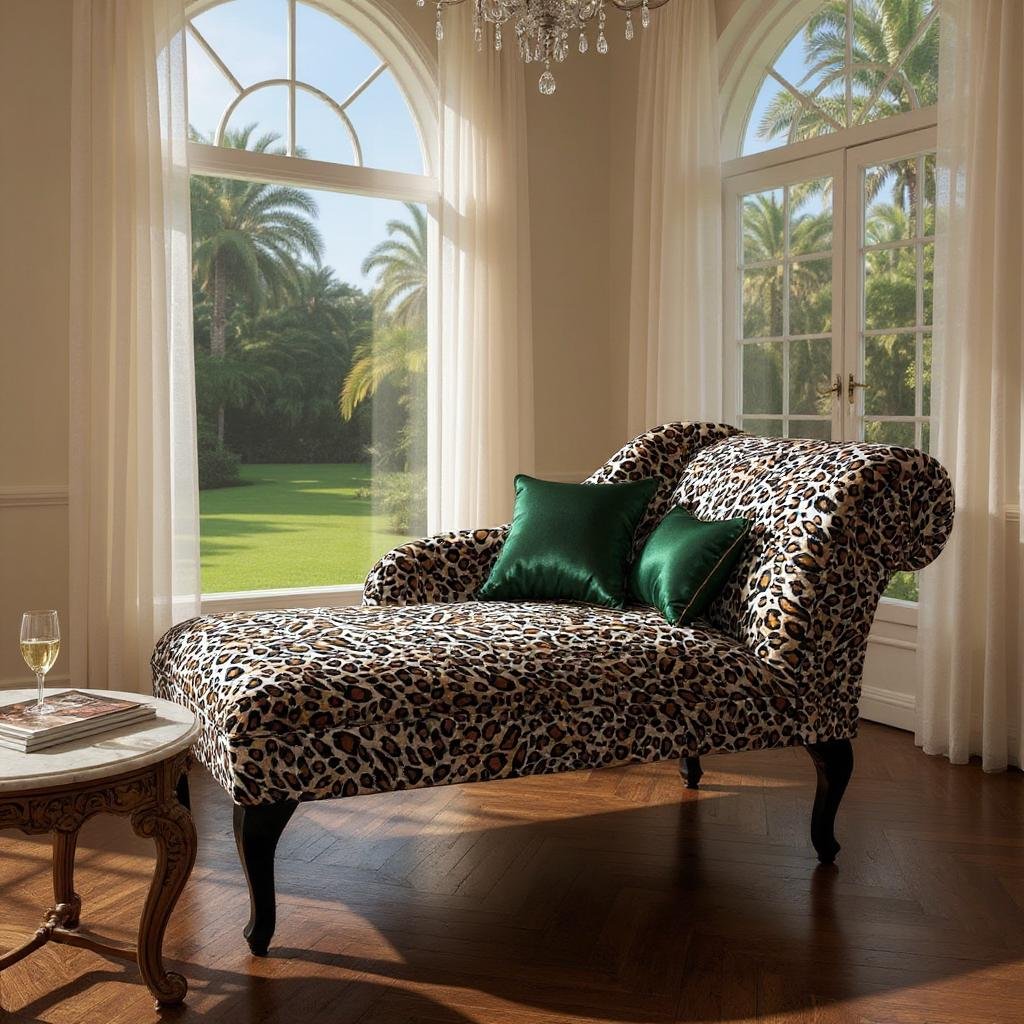
Choose a style by comparing the chaise’s silhouette, frame and finish with the furniture already in the room. A contemporary chaise often has clean lines and a visually light outline; a traditional design may have a shaped back, curved arms or decorative legs. A statement piece can introduce a strong colour or distinctive shape into a quieter scheme. Decide whether you want the chaise to blend in or become the room’s focal point.
For a contemporary setting, look at the overall outline, not just the colour. A low, armless profile can sit neatly beside pared-back furniture, while a bold velvet chaise can stand out against restrained walls. Traditional rooms may suit carved-looking legs, curved arms and upholstery that echoes existing wood or patterned textiles. If the room combines old and new pieces, repeat a detail, such as a leg finish or cushion colour, to make the mix feel deliberate.
Good quality is suggested by a frame made from solid hardwood or steel, generous cushioning for extended reading, and upholstery suited to the way the chaise will be used. For a coordinated finish, compare the legs with nearby details, such as a timber bookcase or metal lamp base. A leather chaise can complement a wooden floor, whilst very sleek, shiny furniture may create a less harmonious pairing.
Arms affect both function and visual weight. A chaise with one defined arm can feel enclosed and supportive, especially beside a wall; an armless design has a lighter outline and can balance substantial furniture. Compare the arm’s height and curve with nearby chairs, rather than judging it on its own. A rounded arm, for example, can soften a room of straight-edged tables, while a simple squared arm can echo contemporary cabinetry.
Frame construction and legs also set the mood. Exposed timber legs bring warmth and can link the chaise to a wooden side table; slim metal legs can feel more contemporary beside glass or polished surfaces. A solid hardwood frame is a considered choice for lasting use, while a steel frame offers another robust construction option. Look closely at how the frame supports the seat and back, then consider whether the leg shape gives the piece the presence you want.
In a UK garden, relate the chaise’s design to existing outdoor furniture, such as teak or metal pieces, and choose materials intended for outdoor use. A breathable cover can reduce dirt and dust, but dry, sheltered storage remains important. Indoors, use one repeated detail to connect the chaise with the rest of the room: a cushion colour, timber tone or metal finish. Explore indoor furniture styles to see how different finishes can sit together.
3. How does a chaise lounge visually benefit a room?
A chaise lounge adds a long, sculptural line that can soften a living room’s arrangement. Its visual effect depends on scale, position and the space left for movement. A petite chaise measuring 5-6 feet may suit a smaller living room, whilst a 6-8-foot design can fit a larger space. Treat these ranges as starting points, then compare the actual piece dimensions with your room.
Measure the chaise’s full length, width and height, including any projecting arm or headrest. Check the manufacturer’s dimensions against the usable floor area, not just the wall length. A 160 cm chaise can fit in a small room if there’s enough space to move around comfortably. Mark its footprint on the floor with masking tape, then walk past it from different directions.
Doorway access matters as much as the final position. Measure the entrance, hall and any tight turns on the route into the room. Compare those measurements with the chaise’s widest points and overall length. A design that fits beside the window may still be difficult to bring through a narrow doorway. Include the frame and any fixed arms in your measurements.
Clearance helps the chaise feel integrated rather than obstructive. Allow 45-60 cm around a lounge chair for comfortable movement. Consider routes between the door, sofa and main seating area before settling on a position. For example, in a compact living room, place the chaise beside a wall rather than across the route to the doorway. Keep enough room to approach its seat without moving another chair.
In an open-plan space, a chaise can visually divide the living area from the dining zone without creating a solid barrier. Position it with its back towards the dining space, then check that people can pass around both ends. In a smaller room, an armless design can appear less visually heavy than one with broad arms. Balance its outline with a nearby table or sofa.
Placement can frame a view or create a purposeful reading spot. Put a chaise beside a bookshelf, with a small table nearby for reading materials or a drink. Position it near a window or fireplace without blocking the view or access. Keep the focal point visible from the seat, and check the arrangement from the main entrance.
Before choosing, follow a simple sequence: measure the room and doorway route, mark the floor footprint, then test circulation around the outline. This makes the visual impact easier to judge than imagining dimensions from a product image. Compare the marked shape with nearby furniture, and adjust its position until the room’s main routes remain clear.
4. Choosing between velvet, fabric and leather
Knowing how to choose a chaise longue starts with considering how often you’ll use it and where it will sit. Upholstery affects the feel of the seat, its visual character and the care it needs. A chaise in a quiet bedroom corner faces different demands from one used every day in a busy living space. Think about your routine, the room’s palette and how much time you’re prepared to spend on upkeep.
Velvet gives a chaise a rich, decorative presence and can make it a focal point. It may suit a bedroom or quieter corner, where the upholstery is less exposed to constant use. In a busy spot, wear can become more visible. For example, a velvet chaise can enliven a simply furnished room, while cushions in colours already present can connect it to the wider scheme.
Fabric offers a wide choice of colours, making it easier to coordinate with curtains, rugs or existing seating. Fabric and bouclé can add texture and warmth, but need regular cleaning. Consider whether the colour might show dust or marks in the chaise’s chosen position. Check the care instructions and whether the covers are removable; these details help you judge how well the upholstery fits your household’s routine.
Leather brings a smooth, structured finish that can work particularly well beside timber furniture. Genuine leather can be wiped clean and develops a patina over time. PU leather is more resistant to scratches in the short term, but doesn’t age as gracefully. Compare the finish with nearby surfaces: leather may feel at home beside a wooden bookcase, yet less harmonious with very sleek, shiny furniture.
To decide how to choose a chaise longue, compare material, maintenance and intended use together. If you’ll use the seat for long reading sessions, prioritise comfortable cushioning and upholstery you can care for. A quieter decorative piece leaves more room for texture or a striking finish. View fabric or colour samples beside the furniture and soft furnishings they’ll sit with, rather than judging each choice in isolation.
For a chaise in a garden, choose upholstery described as suitable for outdoor use, rather than assuming indoor fabric will perform in direct sunlight. The material should suit the chaise’s position and the way you’ll store it when not in use. Outdoor cushions with a depth of at least 10 cm are recommended for supportive comfort that won’t flatten over time. This helps you weigh comfort against the practical demands of using the seat outside.
5. Chaise longue purpose and definition
A chaise longue is a long chair designed for reclining, with a backrest and usually an arm at one end. “Chaise lounge” is another spelling for the same piece. Its elongated seat gives you room to stretch out, while its defined shape keeps it closer to a lounge chair than a bed. That balance makes it a versatile choice for relaxation and a distinctive detail in a room’s aesthetic.
There isn’t one best chaise longue for every UK home; the right choice depends on its setting, purpose and material. Compare an upholstered indoor design for a bedroom or study with a design intended for garden use, then weigh the look against its care needs.
Think of the chaise as a dedicated place to pause, rather than a replacement for everyday seating or a bed. In a living room, it can create a reading spot beside a bookshelf; in a bedroom, it offers somewhere to sit away from the bed. A sunroom or office can also benefit from a single reclining seat, particularly where a sofa would dominate the floor plan.
Its shape can work well in a smaller room that cannot accommodate a large sofa. Set it in a quiet corner, then pair it with a small table for a book or drink. In an entrance hall, a chaise can offer a place to sit while putting on shoes, provided it doesn’t obstruct the route through the space. Give the piece a clear function, rather than making it purely decorative.
Material helps define whether the chaise feels relaxed, formal or luxurious. Fabric and bouclé bring texture to a reading corner, while leather can add a more polished note beside timber furniture. Velvet creates a richer accent in a quieter bedroom. For an outdoor setting, choose a design intended for garden use and plan where its cushions will be stored during wet weather.
A chaise is best for one person to recline, read or take a short rest; a daybed’s wider, bed-like surface suits a different kind of lounging. Don’t choose either on appearance alone. Picture who will use it, the space available and the moments it should support, from morning reading to an afternoon pause. That purpose will guide your choices about size, material and position.
To bring that intention into your room, explore chaise longue styles and consider which setting would make the most of one.
Acacia Home: Chaise Longues and Window Seats
Acacia Home offers chaise longues and window seats for creating a considered place to unwind, whether you’re furnishing a bedroom corner or making use of a bright window. The right choice depends on the space, the style you want and how you’ll use the seat. The guide’s checks on dimensions, orientation and upholstery can help narrow down your preferences.
If you’re furnishing a larger room, occasional chairs or footstools can complement the seating arrangement. For a dining area, dining chairs provide seating suited to meals and conversation.
Explore the chaise longue and window seat selection when you’re ready to bring a dedicated place for relaxation into your home. If you’d like to discuss your choice, contact Acacia Home.
Make room for a more personal way to unwind
A chaise longue can become more than an extra seat: it can mark out a small ritual in your day, from settling down with a book to taking a quiet pause between tasks. Let that imagined moment guide how to choose a chaise longue, so the piece feels connected to the life you want your room to hold.
Acacia Home also offers occasional chairs, dining chairs and footstools, giving you considered options for creating a welcoming seating arrangement at home. Each piece can bring a different character, whether you’re shaping a restful corner or bringing people together around the table.
If you’re ready to explore what might suit your space, contact Acacia Home. A thoughtful choice can make your home feel more distinctly yours, and there’s no need to rush the process. Take time to picture the setting, trust the details that matter to you, and look forward to a more inviting place to unwind.
Frequently Asked Questions
What is the difference between a chaise lounge and a daybed?
A chaise lounge is shaped for one person to recline, while a daybed has a broader, more bed-like surface. Consider whether you need a dedicated reading seat or somewhere to stretch out more fully. For example, a chaise can sit beside a desk without becoming the room’s main seating; a daybed suits a space where lying down is part of its regular use. Don’t choose either solely by its name.
How does a chaise lounge visually benefit a room?
A chaise lounge introduces a distinctive shape that can give an unused corner a clear purpose. In an open-plan room, its back can subtly mark the boundary between a sitting area and another zone without creating a solid divider. Its position can also draw the eye towards a window, fireplace or reading corner. Think about the view from the doorway as well as from the seat, so the piece looks intentional from both angles.
How much space should you leave around a chaise longue?
Allow 45-60 cm of clearance around a lounge chair for comfortable movement. In practice, keep the clearest route between the doorway and the rest of the room, rather than distributing space evenly on every side. A chaise against a wall may need less access behind it, but the open end still needs room. Use masking tape to outline its footprint, then walk through the room as you normally would.
How much weight can a typical outdoor chaise lounge hold?
Some premium outdoor chaise lounge models list capacities between 115 kg and 135 kg. This range isn’t a universal rating for every design, so use the stated capacity for the particular model you’re considering. The frame and construction determine the product’s limit, not its appearance or cushion thickness. If more than one person might sit on the chaise, choose seating intended for that use instead of assuming a single-user rating covers it.
Is an expensive chaise lounge worth the investment?
It can be worthwhile if its construction, comfort and upholstery suit frequent use and your room. A solid hardwood or steel frame is a practical quality consideration, while generous cushioning matters if you’ll read for extended periods. Compare those features with how often the chaise will be used and the care its material needs. A costly decorative piece may not be the best fit for a busy household if its upkeep doesn’t suit your routine.
What is the best material for an outdoor chaise lounge in direct sunlight?
Choose outdoor upholstery whose product information specifically states that it’s suitable for direct sunlight; a material name alone doesn’t tell you how it performs in that position. Consider where the chaise will sit during the brightest part of the day, and whether a shaded spot is possible. A breathable cover can help reduce dirt and dust, but dry, sheltered storage remains important when the furniture isn’t in use.
Where can a chaise lounge be used in a home?
A chaise lounge can work in a bedroom, study, office, sunroom or living-room corner. In a bay window, it can create a quiet spot for reading; at the foot of a bed, it adds somewhere to sit without using the bedside area. An entrance hall can also accommodate one for putting on shoes, provided it doesn’t obstruct the route through the space. Match its position to a clear everyday purpose.
What size chaise longue should I choose for my room?
Choose a size that fits the room and leaves comfortable routes around it. A petite chaise measuring 5-6 feet may suit a smaller living room, whilst a 6-8-foot design may suit a larger space. Measure the doorway and the route into the room, too. Mark the chaise’s footprint on the floor with masking tape, then check how it relates to nearby furniture and whether you can move past it easily.
Comments