
Furniture for UK Sunrooms, Garden Rooms and Orangeries
Updated: 6 days ago
Furniture for a sunroom in the UK should do more than look at home: it should make the space comfortable to use, whether you’re gathering for a meal or settling in for a quiet afternoon. Consider how the room connects with a summerhouse, garden room or orangery, and what you want it to become.
It’s natural to consider appearance first, but scale, seating and everyday use matter just as much. A dining area needs a different arrangement from a relaxed reading corner, and whether furniture arrives assembled can affect what feels practical for your space.
This guide explains how to choose pieces for light-filled rooms, plan dining and relaxing zones, and consider materials and layout. You’ll also find guidance on assembly, helping you make an informed choice and create a welcoming room that feels considered and distinctly yours.
Table of Contents
Furniture for summerhouses, garden rooms and orangeries
A summerhouse feels most inviting when its furniture supports a clear purpose. A reading retreat might need a comfortable chair and small table, while a garden room used for meals needs practical dining seats. In an orangery, choose pieces that complement the architecture without crowding the glazed views.
Start with the room’s dimensions and mark doors, windows and the route between them. Then measure the space available for each piece, including room to pull out a chair or walk past a table. One garden-bench listing gives dimensions of 150 × 37 × 45 cm; another specifies a length of 120 cm. These examples show why checking measurements matters before arranging a room.
Next, decide how many activities the space should support. A compact summerhouse may work best as a single seating area, while a larger garden room could accommodate dining and lounging, or even double as a creative studio or hobby workshop. If your outbuilding balances leisure with hands-on mechanical projects, sourcing professional kit from specialist suppliers such as naredi.in shows how dedicated equipment can be integrated alongside everyday furniture. Whatever the balance, keep the main route clear, and arrange furniture so it doesn’t block doors or make windows difficult to enjoy. A small side table provides a useful surface without taking up space needed for a larger table.
Material and finish help connect an interior with its setting. For a natural look, consider wooden furniture. A lighter finish can complement pale walls, while darker tones create contrast. Think about how sunlight reaches the room, too. A sunny spot may suit a reading chair, but another position could be more comfortable if glare falls on a screen or book.
Assembly is a practical consideration separate from style and size. Whether an item arrives assembled depends on the individual piece. Read its product details before deciding, especially if access involves narrow doors or stairs. Packaging and any assembly required can affect where you unpack and position the furniture; for larger items that arrive in component form, booking a specialist like TKB FLATPACK ASSEMBLY can ensure everything is put together correctly and safely.
For a straightforward choice, measure the room, decide its main purpose, select appropriately sized furniture, then plan the layout around movement and light. In a summerhouse used for quiet breaks, for example, a chair and compact table may be more useful than several large pieces. In an orangery used for family meals, seating and table space may take priority.
A listed light-brown garden bench for a sunroom measures 1200x400x800 mm, so use those dimensions when checking whether it fits the intended position. Compare its footprint with the available floor area and allow enough space to approach it and sit comfortably. Its light-brown finish can also help guide choices for nearby tables or other seating, especially if you want the room to feel visually coordinated rather than crowded.
Before choosing a spot, consider how a bench relates to windows, doors and the room’s main route. Keeping glazing accessible and circulation clear makes seating easier to use. Add only the surfaces and accessories the room’s purpose calls for, preserving an open, relaxed feel.
Creating zones for dining and relaxing
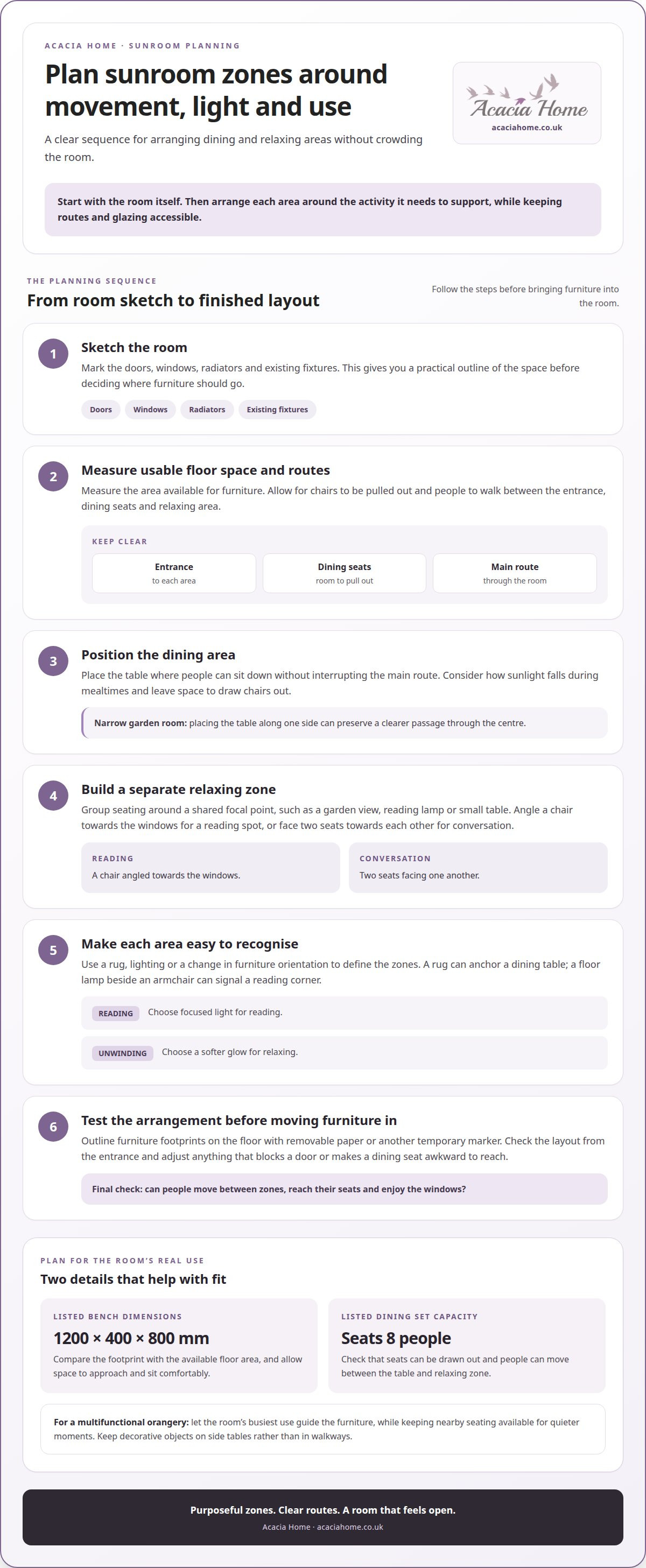
To measure and arrange sunroom furniture, sketch the room and mark its doors, windows, radiators and existing fixtures. Measure the usable floor area, then plan each zone around the furniture it needs. Leave clear routes between the entrance, dining seats and relaxing area so movement remains comfortable.
A dining zone works best where people can sit down without interrupting the main route. Place the table where chairs can be pulled out easily, then consider how sunlight falls during mealtimes. In a narrow garden room, positioning the table along one side can preserve a clearer passage through the centre.
For a relaxing zone, group seating around a shared focal point, such as a garden view, reading lamp or small table. A chair angled towards the windows creates a quiet reading spot; two seats facing each other make conversation easier. Keep the arrangement distinct from dining, even if both zones share an open room.
Use a rug, lighting or a change in furniture orientation to define each area. A rug beneath a dining table, for example, visually anchors meals, while a floor lamp beside an armchair signals a reading corner. Choose lighting to suit each activity, with focused light for reading and a softer glow for unwinding.
In a multifunctional orangery, select furniture that supports the room’s busiest use without overwhelming quieter moments. A dining table can serve as a work surface during the day, while nearby seating offers somewhere to pause. Keep decorative objects on side tables rather than walkways, where they can disrupt movement.
Cushions add comfort and colour, but place them to suit each zone. A few on a lounge seat can make it inviting; too many on dining chairs may need moving at every meal. Repeat a colour across cushions and a table accessory to connect the areas without making them look identical.
Before settling on a layout, outline the furniture footprints on the floor with removable paper or another temporary marker. This simple test reveals whether a chair obstructs a door or a dining seat is awkward to reach. Adjust the arrangement before bringing in the pieces, then check how the zones work from the entrance.
For a cohesive look, choose pieces that relate through finish, shape or colour, rather than matching every item. Explore indoor furniture as you refine the mood of your dining and relaxing areas. A thoughtful layout lets each zone feel purposeful while preserving the openness that makes a sunroom special.
Also consider how many people the dining area needs to accommodate before choosing its furniture. The listed rattan garden furniture set with cube dining table and chairs is described as seating 8 people. Its stated capacity can help you judge whether it suits the way the room is used. Check that the chosen set leaves enough room for seats to be drawn out and for people to move between the table and the relaxing zone. Keep the final layout comfortable for everyday use, not only when all seats are occupied.
Furniture for sunrooms and orangeries
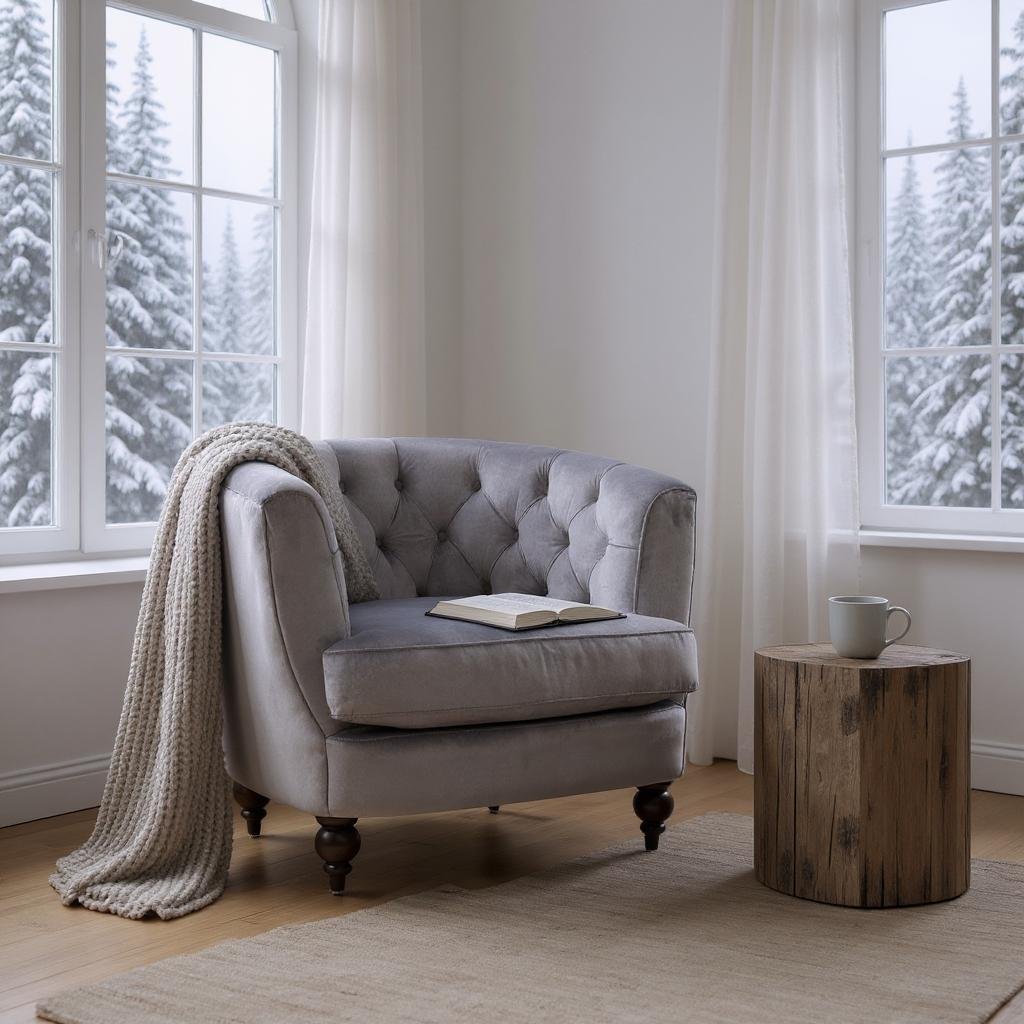
Comfort in a glazed room depends on choosing pieces suited to its light, temperature and available floor space. For a compact sunroom, consider an adjustable lounge chair with a footstool instead of a bulky sofa. A listed light-grey adjustable indoor lounge chair with footstool is intended for bedrooms and sunrooms, illustrating this flexible arrangement.
For a small space, prioritise pieces with more than one use. A footstool can support your feet or act as an occasional surface, while a slim occasional table keeps essentials close without dominating the room. Place the largest seat first, then add only pieces that leave a clear route to doors and windows.
Look upwards as well as across the floor. A wall clock can add a focal point without taking up table space, and a well-positioned mirror can reflect daylight around a shaded corner. Keep both clear of window handles and door swings so practical details remain easy to reach.
Sunlight can gradually affect furniture finishes and fabrics, so consider where direct rays fall throughout the day. Position a chair outside the strongest sunbeam, or use a blind or curtain to soften intense light. Moving a cushion or small accessory periodically also helps prevent one area from receiving all the exposure.
Heat and condensation need a different response. Ventilate the room when conditions allow, and leave a little space between furniture and cold glazing so air can circulate. If moisture appears on a window, wipe it away and dry nearby surfaces. Avoid leaving fabric, books or wooden accessories pressed against damp areas.
Choose materials and finishes with the room’s changing conditions in mind. A solid surface is straightforward to wipe, while upholstered seating brings softness and comfort. In an orangery used throughout the year, keep delicate accessories away from the brightest windows and avoid placing furniture where warm air from a heater falls directly onto it.
An adjustable lounge chair can also suit a room used for reading, resting and occasional conversation. The listed chair’s stated capacity is 136 kg, so use the product specification when assessing whether a particular piece meets your needs. Check measurements and opening positions before choosing a footstool, as even a compact addition can affect movement.
Finish with a restrained selection of accessories. A small lamp can make an evening reading corner more inviting, while a ceramic umbrella stand near an entrance gives everyday items a defined place. In a smaller sunroom, choose one or two accents that complement the furniture rather than filling every surface.
Sunroom seating and natural textures
Rattan, wicker, metal and wood each bring a different character to sunroom seating. Rattan is a natural material; wicker describes a weaving technique, so the terms aren’t interchangeable. Metal gives a cleaner, more defined outline, while wood introduces visible grain and warmth. Choose the texture and atmosphere you want, then consider how each piece fits the room.
Comfort depends on the seat as much as its appearance. Check the seat depth, back support and arm position against how you’ll use it. A reading chair should feel comfortable for longer periods; a dining seat should let you sit upright. If choosing a footstool, consider whether it fits the chair without blocking movement.
For a sunny conservatory, choose cushions and fabrics that feel comfortable against the skin and suit the room’s light. Removable covers make routine care more practical, while colours and patterns can soften a neutral seat. A small sample placed near the window can help you see how its shade looks in daylight.
Sunlight changes the appearance of colour throughout the day, so consider the room’s brightest areas before choosing a fabric. Pale cushions can create an airy look; deeper shades add contrast against light walls. If direct sun falls on one seat, moving cushions between uses can help distribute exposure.
Natural textures also need thoughtful styling. Let one material lead, then introduce a second through a smaller piece or accessory. For example, pair a woven chair with a wooden table, then repeat its warm tones in a cushion. Too many competing textures can make a compact room feel visually busy.
Care needs vary by material and finish, so follow the maker’s instructions for each piece. Dust woven furniture with a soft brush, and wipe metal or wood according to its care guidance. Dry damp surfaces before adding cushions. Keep fabric away from window condensation and allow air to circulate around seating.
For a balanced arrangement, choose seating first, then add texture through cushions, a rug or a natural-finish table. A single woven chair can become a gentle focal point, while matching every surface may make the room feel overly coordinated. The best combination supports comfort, suits the light and keeps the sunroom’s garden view at the heart of the space.
What furniture materials are best for a UK sunroom?
The best material depends on the room’s light, temperature, intended use and desired style. Choosing furniture for a sunroom in the UK means weighing comfort and care alongside appearance. Rattan brings a natural, woven feel, while wood offers visible grain and warmth. Metal creates a cleaner outline that can suit a contemporary orangery.
Rattan is a fast-growing, renewable material used in furniture manufacturing, according to Desser. Wicker, meanwhile, describes a weaving technique, not one specific material. When considering a woven chair, look at the material as well as the weave. Its texture can soften glass and tiled floors, while a wooden side table adds a more grounded finish.
Wood can lend a sunroom a warm, settled character. Solid acacia wood, for example, has a distinct grain that can complement natural flooring and woven accessories. Teak is another wood used for garden furniture. Choose finishes that sit comfortably with existing furniture, then follow the care guidance supplied for each piece.
Metal furniture offers a defined shape and can balance softer materials. A metal chair beside a wooden table creates contrast without relying on several competing colours. Consider the finish, the room’s overall palette and whether the piece will be moved often. These details help determine whether metal feels harmonious or too stark in your setting.
Upholstery introduces softness and can make a reading seat feel more inviting. In a bright conservatory, position fabrics thoughtfully, since direct sunlight changes how colours look and may affect them over time. Removable cushion covers can ease routine care, but cleaning methods depend on the fabric. Follow its care instructions for the best approach.
Changing temperatures and moisture near glazing can influence where furniture works best. Leave space between pieces and windows to encourage air circulation. Avoid resting fabric or wooden accessories against areas where condensation forms. If a surface becomes damp, wipe it and let it dry before placing cushions or decorative objects nearby.
Use a simple decision process for furniture for a sunroom in the UK: note the brightest areas, identify how each piece will be used, then compare finishes and care needs. A timber table may suit a reading nook, while metal chairs can give a dining corner a lighter look. Choose a mix that feels cohesive and practical.
For a balanced scheme, repeat one finish in a smaller detail instead of matching every surface. A woven chair, wooden table and understated metal lamp can feel connected through colour and texture. Explore outdoor furniture options for natural finishes that can complement a garden-facing room.
Acacia Home
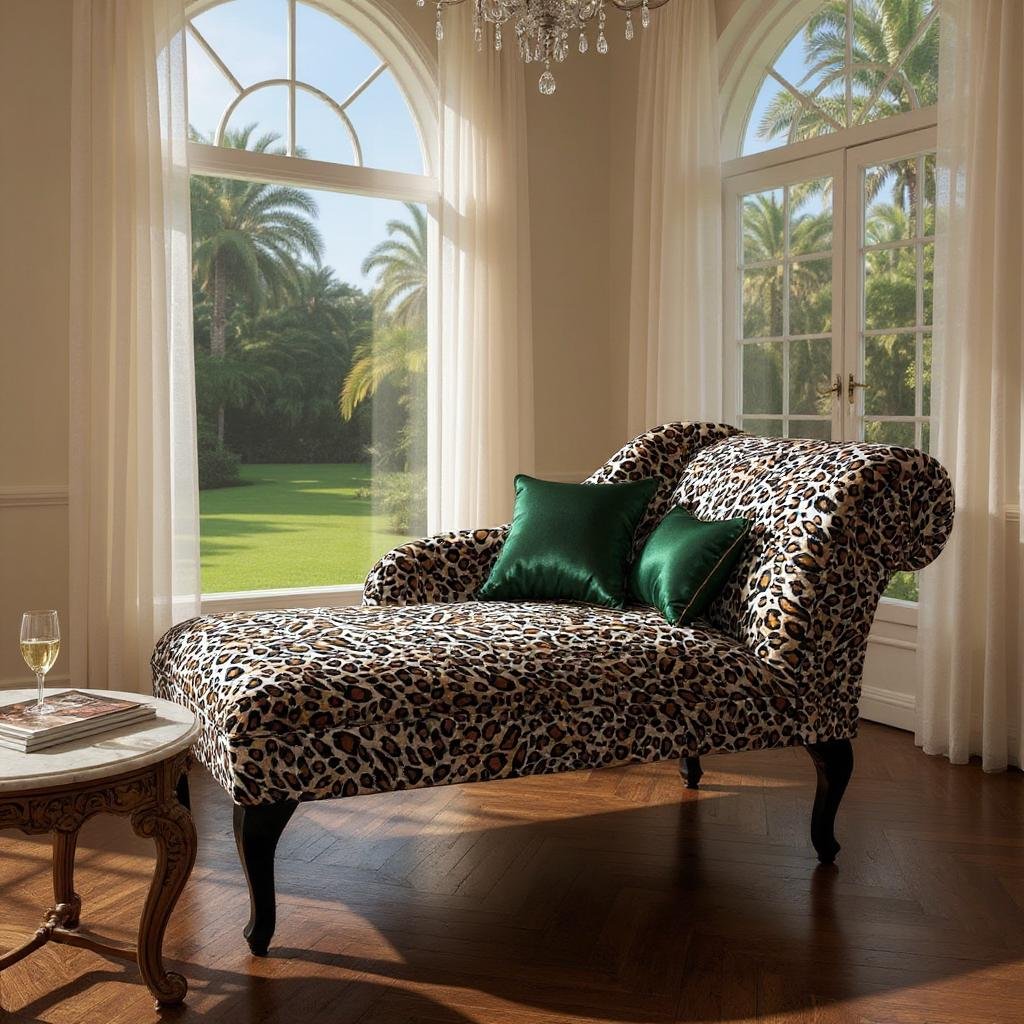
Acacia Home offers seating options to bring your sunroom plans together, from a considered dining area to a quieter place to unwind. Occasional Chairs, Dining Chairs, Footstools, Chaise Longues and Window Seats can each serve a different role, depending on your room’s layout and how you use it.
Once you’ve considered measurements, materials and the way sunlight moves through the space, explore pieces that suit your preferred arrangement. A footstool can complement a reading chair, while a window seat can make a bright corner feel purposeful. Product details help you understand the practicalities of each choice, including assembly information where provided.
If you’d like to discuss furniture for your sunroom, contact Acacia Home.
Make your sunroom feel like yours
Let the room’s next chapter guide your final choices. Perhaps it will become a peaceful place for morning coffee, a welcoming spot for family meals, or a flexible space that changes with the seasons. Choosing furniture for a sunroom in the UK is more rewarding when each piece supports your everyday rhythm rather than simply filling an empty corner.
Acacia Home’s Occasional Chairs, Dining Chairs and Footstools offer different ways to shape a room around sitting, sharing meals or putting your feet up. Bring together pieces that suit your layout and personal style, then let the room develop at its own pace. Comfort and character work beautifully side by side.
Ready to explore pieces for your space? Contact Acacia Home about sunroom furniture and take the next step towards a room you’ll love spending time in.
Frequently Asked Questions
What are the best sunroom furniture sets available in the UK?
The best choice is a coordinated combination of seating suited to how you use the room, not a set chosen by appearance alone. For dining, pair dining chairs with a table that fits your layout; for reading, an occasional chair with a footstool can create a comfortable corner. Acacia Home offers these seating options, alongside chaise longues and window seats, so you can build an arrangement that reflects your space and style.
How much does sunroom furniture cost in the UK?
Which furniture suits a hot, sunny conservatory without fading or warping?
Position furniture outside the strongest sunbeams and use a blind or curtain to soften intense light. Choose materials and finishes with the room’s changing conditions in mind.
Comments