
Garden statues, care and antique-style ageing
Patience is key when encouraging cast-stone ornaments to develop an antique-style look. Place a garden statue in damp earth, a shaded spot or among thick borders and grasses, and it will weather more quickly over several months than one kept in the sun. The gradual change gives it a settled presence among established planting.
That timeworn character is part of the appeal, but a garden statue still needs thoughtful care. Vigorous cleaning can spoil its finish, while careful placement helps it sit naturally in the garden. Whether you prefer the quiet presence of a Buddha figure, the formality of classical sculpture or another decorative style, choose a piece that suits its setting as well as its appearance.
Learn how to age and clean cast-stone ornaments with care, and explore Buddha, classical and other garden statue styles. We’ll also look at how material, finish and placement shape the atmosphere a sculpture brings to an outdoor space, helping you create a considered rather than contrived setting.
Table of Contents
How can I age my cast stone garden ornaments to look like antiques?
Cast stone develops a naturally weathered appearance through gradual exposure, rather than a forced coating. Place an ornament in damp earth, shade or among thick borders and grasses to encourage faster ageing over several months than in a sunny spot. Choose a location where moisture and planting already lend the garden a settled feel. Keep the piece stable, visible and accessible for occasional inspection.
Follow these simple steps to encourage an even, natural finish:
Choose a shaded position, such as beneath a tree or beside a dense border.
Set the ornament on firm ground, with its base supported evenly.
Keep nearby soil and planting naturally damp, without leaving the stone submerged.
Let time and outdoor conditions create the patina; inspect the surface periodically.
Avoid painting on dirt or using harsh chemicals to imitate age. Artificial coatings can obscure carved details and create an uneven finish. Don’t scrape or scratch the surface to make it look older. For a small animal figure, let weathering develop gradually around the base and in recessed details. A fox, bird or hare will then sit more naturally among foliage, rather than looking newly placed.
Animal figures bring character to borders and paths. Match the subject to its setting, such as a bird beside planted areas or a hare among low grasses. Check that the figure’s feet or base sit securely on level ground. Fine ears, tails and paws can be vulnerable to knocks, so avoid narrow paths and busy play areas. Give each garden statue room to stand out instead of crowding it with other ornaments.
Planning permission or other restrictions can depend on the property, location and installation. Consider the setting before placing a large, fixed or prominent feature, particularly where specific property restrictions apply.
To reduce the risk of theft or accidental damage, place smaller pieces where they can be seen from the house and away from easy access. Set ornaments on stable ground, clear of lawnmowers, garden tools and regularly used walkways. For a valuable or fragile piece, choose a sheltered position and secure it with a method suited to its base and material. Keep delicate animal details away from branches, furniture and passing feet.
When comparing garden ornaments, look for clear maker information and consistent design details. Compare the finish, proportions and sculpted features, such as a bird’s feathers or a hare’s ears. A maker’s label or mark can help identify the piece later. Choose a design that complements the garden’s planting and existing materials, then let natural exposure give the garden statue its own character.
How do I clean my cast stone statues?
Remove loose leaves and soil with a soft brush. Wet the cast stone with clean water, then gently brush away surface dirt. A soft nylon brush can reach shallow creases without scratching the finish. Rinse afterwards so loosened dirt doesn’t settle back into carved details. Work on small areas at a time, especially around faces, drapery and narrow edges.
For more persistent grime, use a little mild soap diluted in water. Test it on a discreet area first, then rinse thoroughly. Avoid abrasive pads, wire brushes and strong chemical cleaners, which can mark or alter the surface. A pressure washer may dislodge delicate details, so clean gently by hand instead. Let the piece dry naturally before deciding whether it needs another light clean.
Brush away dry leaves and loose soil.
Rinse the surface with clean water.
Gently clean stubborn dirt using a soft brush.
Rinse again and allow the stone to dry.
Choose a size and style to suit the viewing distance, available space and surrounding planting. A small figure can suit a sheltered nook, while a larger sculpture can anchor an open lawn. Greek-inspired drapery or Roman-style portrait features create a classical mood; simpler silhouettes feel more contemporary. Picture the garden statue from the house and main path before settling on its position.
Ancient Greek and Roman sculpture offers recognisable visual cues. Look for flowing robes, balanced poses, laurel wreaths, columns or restrained portrait forms. These details can lend a border a formal feel without requiring a large installation. Place a classical figure beside clipped planting or stone paving, where its sculpted lines remain visible. Leave clear space around the base so nearby foliage doesn’t obscure its silhouette.
Contemporary garden sculptures often feature abstract shapes, smooth contours or unexpected proportions. Cast stone can echo carved limestone while retaining a distinct manufactured finish. Compare the surface and detailing before cleaning, as textured relief holds soil differently from a smooth, modern form. A shallow recess may need a soft brush; broad, plain surfaces are easier to wipe gently.
Metal garden sculptures need different care from cast stone. Remove loose dust with a soft cloth, then use a method suited to the metal’s finish. Bronze may develop a changing surface patina, so don’t treat it like painted metal or stone. Avoid scrubbing delicate details or applying a cleaner without checking its suitability. A bronze figure and a cast-stone garden statue can share a setting, but each needs material-specific cleaning.
For a cohesive setting, pair sculptural forms with complementary garden ornaments, balancing their materials and visual weight.
Cast stone garden statues and figures
Cast stone brings sculpted detail to gardens without requiring a block of carved natural stone. Moulded forms can reproduce folds, feathers, leaves and architectural motifs. The material suits classical figures, wildlife subjects and decorative pieces inspired by traditional stonework. Depending on the design, its finish may be smooth, textured or deliberately aged. Inspect the face, hands, base and recessed details before choosing. These areas show how clearly the figure’s character comes through.
Choose a subject that gives the garden a clear focal point. A seated figure can add quiet presence beside a sheltered bench, while a heron or hare can connect an ornament with nearby planting. A small classical figure may suit a courtyard; a larger form can stand alone on an open lawn. Consider the view from the house as well as the approach along paths. The best position lets the silhouette stand out against its background.
Cast-stone figures vary in visual weight. A solid-looking form can anchor a broad border, while a slender figure feels lighter among fine grasses. Compare the ornament’s shape with nearby features, such as a clipped hedge, gravel path or stone wall. Repeating a material or motif can make a group feel intentional. For example, carved leaf details can echo foliage without matching it exactly.
Prepare a firm, level surface before positioning a piece. Check that its base sits evenly and won’t rock when gently touched. Keep delicate projections, such as fingers, wings or tails, clear of routes used for garden work. Avoid placing a tall figure where branches may strike it. A clear view and stable footing help preserve both the sculpted details and the garden’s composition.
Use this checklist when comparing cast stone designs:
Subject: Choose wildlife, a human figure or an architectural form that suits the planting.
Silhouette: Check whether the outline remains distinct against hedges, fences and foliage.
Detail: Look for clearly formed features, such as a bird’s beak or draped fabric.
Base: Match the footprint to a level, stable position in the garden.
Finish: Decide whether a smooth surface or textured appearance works best nearby.
A garden statue can stand alone or form part of a composed display. Give a single piece room, then use surrounding plants to frame it. In a small grouping, vary the height and subject instead of lining up identical figures. A low animal ornament beside a taller figure creates a more natural rhythm. Keep pathways open, and don’t hide important details behind pots or dense leaves.
Consider how the cast stone will look as the seasons change. Evergreen planting provides a steady backdrop, while grasses and flowering borders shift around the sculpture. A pale figure may stand out against dark foliage; textured stone can blend more softly with gravel. Choose the effect deliberately, then let the ornament become part of the garden’s overall character.

Buddha and classic statues
A Buddha figure can bring a contemplative presence to a planted corner, courtyard or sheltered patio. Designs vary in posture, expression and detail, so choose one that suits the atmosphere you want. A seated figure may feel calm beside ferns and smooth stones, while a standing figure can create a stronger vertical focal point. Treat the image respectfully, giving it a considered position rather than using it as an incidental ornament.
Look closely at the details before choosing. The hands, posture, facial expression and surrounding motifs distinguish one Buddha design from another. These features carry meaning in Buddhist traditions, and interpretations can vary. Avoid treating every figure as interchangeable decoration. A quiet setting, clear space around the sculpture and thoughtful placement help the design feel intentional. Keep it away from garden tools, passing feet and stored items that could cause damage.
Classical statues draw on the visual language of ancient Greece and Rome. Draped robes, balanced poses, portrait busts and mythological subjects are familiar motifs. A figure inspired by Greek sculpture can complement a formal path, while a Roman-style bust may suit a courtyard wall or stone plinth. These references create a sense of heritage, even in a contemporary garden. Choose a subject and finish that work with nearby architecture, paving and planting.
Scale shapes the effect. A compact bust can sit on a broad, stable plinth, while a full-length figure may need open space around its outline. Before positioning either style, view the proposed spot from the house and garden path. Check whether shrubs obscure the face or a wall interrupts the silhouette. A plain background helps carved details stand out; softer planting creates a less formal mood.
Pairing Buddha and classical forms calls for restraint. The styles can share a garden, but each needs room to read clearly. Use a change in planting or paving to distinguish the areas instead of crowding both figures together. For example, place the Buddha design beside leafy greenery, then position the classical figure near clipped hedging or a stone pathway. Repeating a colour or material can connect the spaces without making the display feel themed.
Light also changes how each sculpture appears. Morning or evening daylight can reveal folds in drapery and carved facial features. At dusk, carefully positioned outdoor lighting can create a softer focal point. Keep fittings separate from delicate surfaces and avoid glare that obscures detail. A discreet light near a path can illuminate the surrounding planting while leaving the sculpture as the centrepiece.
For either style, make the base stable and leave the surrounding area easy to maintain. Leave room to sweep leaves from beneath a plinth and trim nearby growth without striking the sculpture. These practical choices preserve the composition as planting develops, allowing a Buddha figure or classical form to remain a deliberate part of the garden.
What materials are best for garden statues in British weather?
British gardens experience rain, damp spells, bright sun and seasonal frost. The right material depends on the setting, the finish you want and how much upkeep suits you. Cast stone offers sculpted detail and a substantial, traditional appearance. Natural stone brings individual variations in colour and texture. Metal creates slimmer outlines, from simple shapes to intricate wildlife forms.
Cast stone suits classical figures, animals and architectural ornaments. Its moulded surface can show folds, feathers and carved motifs clearly. Before choosing, inspect the base and fine details for areas vulnerable to knocks. Position the piece on firm, level ground where water can drain away. A shaded border encourages a softer, weathered appearance; an exposed spot shows the surface more clearly.
Natural stone has its own texture and colour variations, which can help a sculpture sit comfortably among planting. Compare its tone with nearby gravel, paving or walls. Look for a stable base and a shape that suits the intended position. Lichen and surface marks may become part of its garden character, while gentle cleaning helps keep carved features legible.
Metal sculptures offer a different balance of form and visual weight. Iron, steel and bronze each have distinct finishes and care needs, so follow guidance suited to the specific metal. A slender metal bird can stand out against leafy planting; a bronze figure can bring depth to a courtyard. Check joins, narrow projections and the base, especially where wind or garden work could cause knocks.
Cast stone: Choose it for detailed, traditional forms and a solid visual presence.
Natural stone: Select it for varied texture and a finish that feels connected to its setting.
Metal: Consider it for fine silhouettes, intricate shapes and a contrasting surface.
Bronze: Use its distinctive appearance as a focal point, while caring for its particular finish.
Think about placement as carefully as material. A sheltered courtyard helps protect delicate details from passing feet and garden tools. An open lawn gives a larger sculpture room to stand apart. Keep the base steady and avoid spots where branches regularly brush the surface. If you place a piece near a path, make sure its outline won’t obstruct movement or invite accidental contact.
Match maintenance to the material instead of using one cleaning method for every piece. Cast stone generally needs gentle brushing and water; metal finishes need material-specific care. Avoid abrasive tools on carved surfaces, painted details or decorative finishes. Regularly remove leaves from the base, then check for movement, surface changes or damage that may need attention.
Explore garden ornaments to find a decorative piece that complements your outdoor setting.
Acacia Home: Occasional Chairs
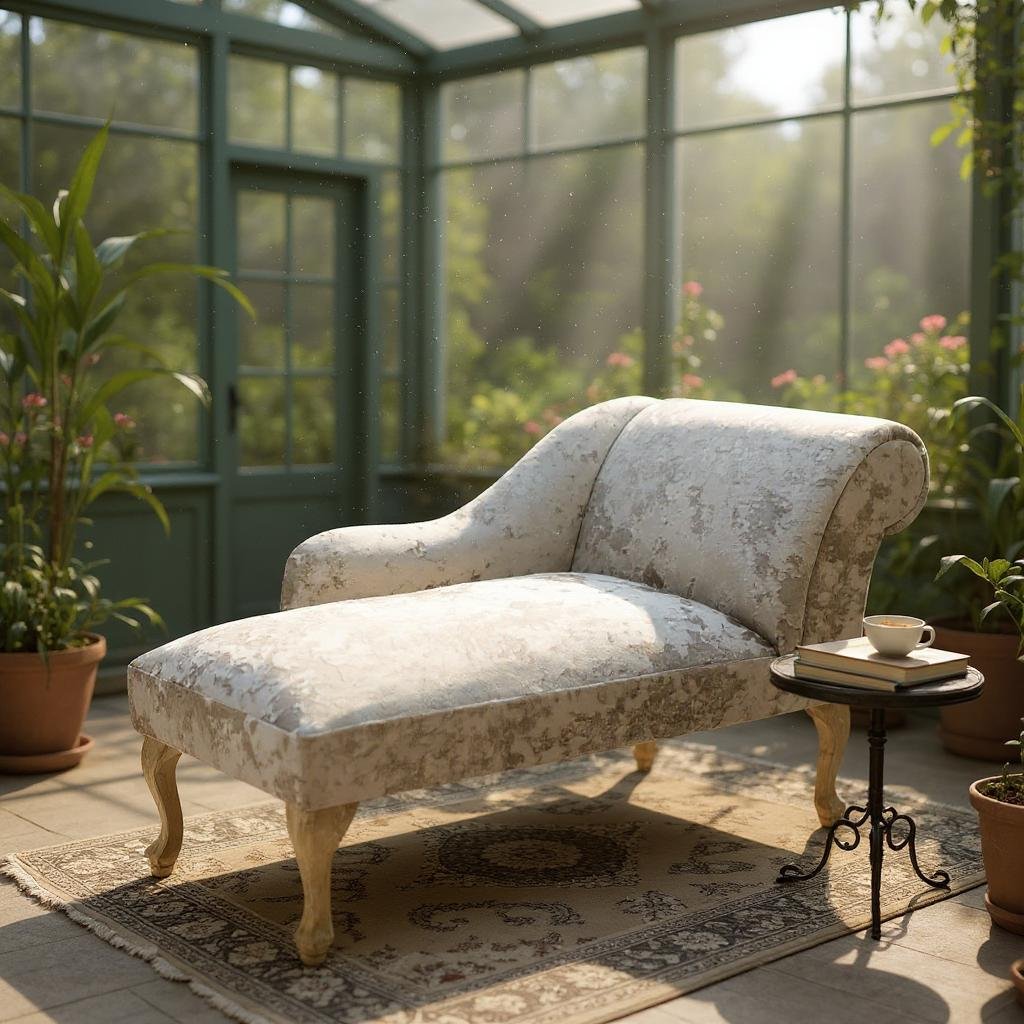
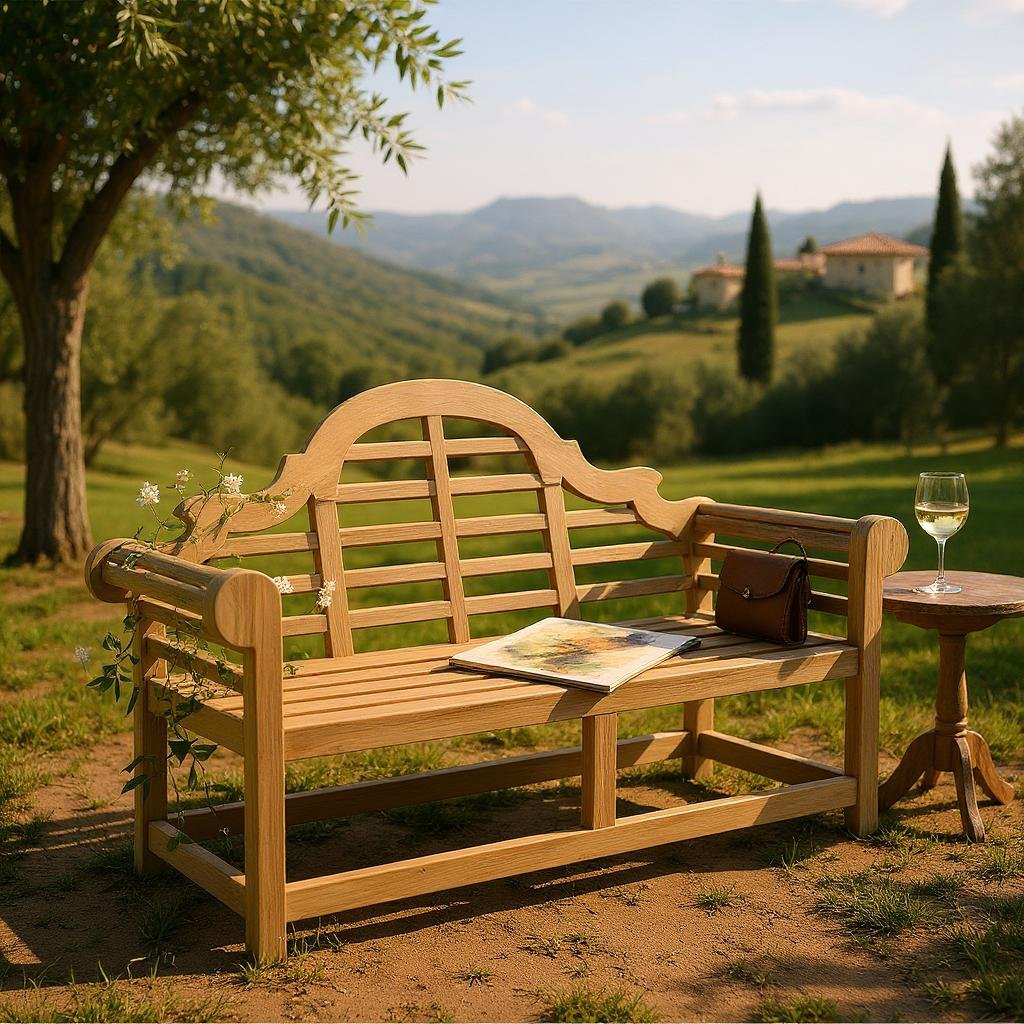
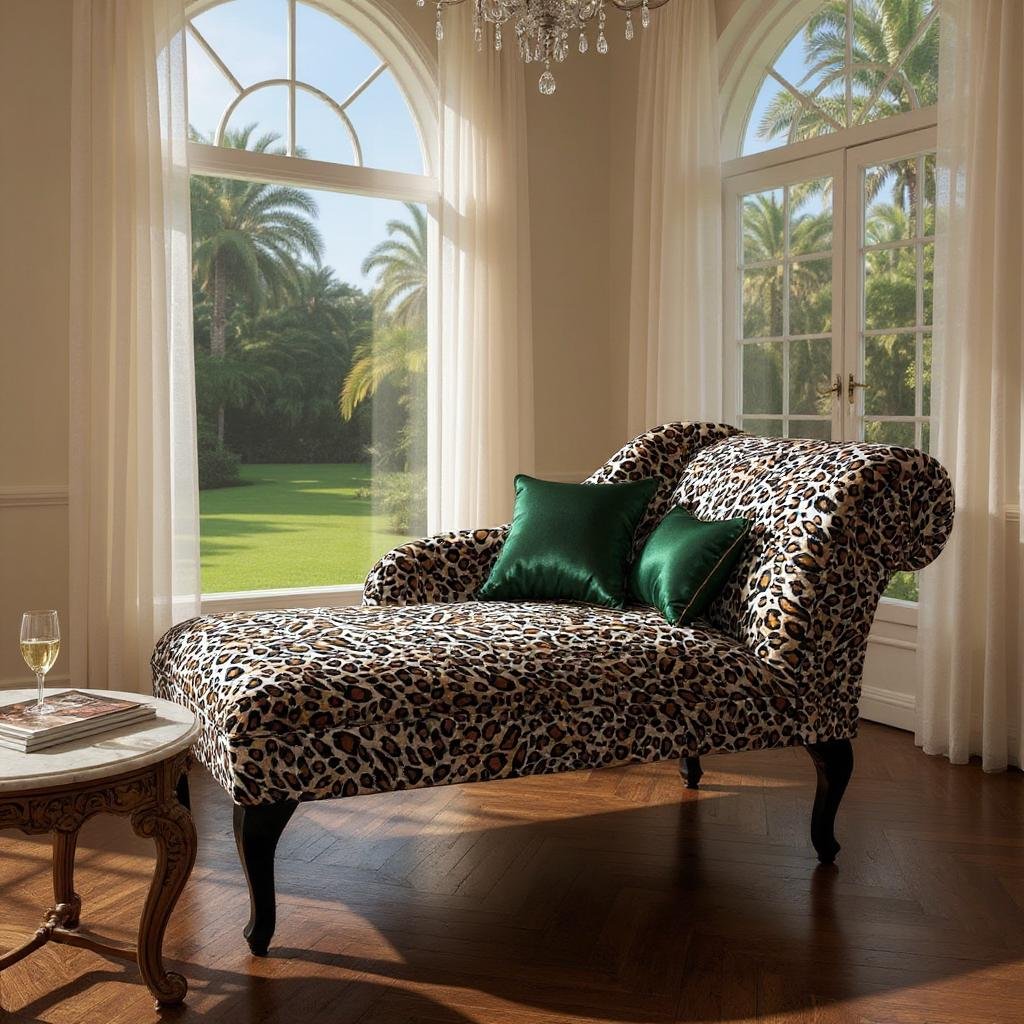
Acacia Home offers Occasional Chairs for a welcoming place to pause indoors after tending the garden. Once your outdoor setting feels thoughtfully arranged, comfortable seating can carry that considered approach into your home. Choose from occasional and dining chairs, footstools, chaise longues and window seats to suit different rooms and ways of relaxing.
A footstool can complement an occasional chair, while a chaise longue creates a generous spot for unwinding. For a more formal interior, Louis Style Chairs add a distinctive classic note. Explore the seating range to shape a comfortable, cohesive living space, and visit acaciahome.co.uk to discover Acacia Home’s collection.
Let your garden’s character take shape
Give your chosen sculpture time to become part of its surroundings. As planting grows and light shifts through the seasons, notice whether its position still feels balanced. A small adjustment to nearby pots or foliage can help a garden statue feel more naturally at home, without changing the piece itself.
When you’re ready for another finishing touch, explore garden ornaments that complement your outdoor setting. Acacia Home’s curated home and garden pieces can help you carry a considered style through the spaces you enjoy. For a quieter corner indoors, Occasional Chairs, Dining Chairs and Footstools offer more ways to shape a welcoming room.
Explore Acacia Home’s garden ornaments and find inspiration for your next thoughtful addition.
Frequently Asked Questions
What foundations do I need to site my stone planters, pedestals & statues on?
Use a firm, level base that can support the item without rocking or sinking. On soft ground, prepare and compact the area before placing a heavy stone planter or pedestal. A stable paved surface or sound garden slab can also work, provided it sits level. Keep the base clear of loose gravel and roots that may shift. Check the finished position from several angles before adding the ornament.
How should I position and secure a garden statue outdoors?
Choose a position where the figure is visible, stable and clear of regular foot traffic. Check its balance on the base, then use an outdoor fixing suited to both the statue and its supporting surface. A tall figure in an exposed spot may need more secure anchoring than a low, sheltered ornament. Keep delicate details away from branches, doors and garden equipment, and leave room to clean around the base.
How do I clean and maintain a garden statue through winter?
Before winter, remove leaves and soil, then check the surface and base for movement or damage. Use a soft brush and clean water for routine cleaning, taking care around carved details. Clear debris from beneath the piece so moisture doesn’t remain trapped against its base. If the ornament has delicate projections or a fragile finish, move it to a sheltered spot where practical. Inspect it again after severe weather.
How much do garden statues cost in the UK?
How do stone, resin, metal and concrete garden statues compare?
Cast stone can develop a natural weathered appearance and should be cleaned gently by hand. Metal needs care suited to its finish; bronze may develop a changing surface patina. The material provided gives no comparison for resin or concrete.
Where can I buy garden statues in the UK?
You can find garden statues in Acacia Home’s garden sculpture collection.
Comments