
Occasional Furniture for UK Living Rooms
The best occasional furniture in the UK balances useful surfaces with a comfortable fit in your living room. Choose a side table close to the height of the sofa or armchair beside it, ideally level with or slightly below the seat’s arm. Select a coffee table that suits the room’s layout and your everyday routine.
A table can bring a seating area together, provide a handy place for a drink or book, and add a finishing touch. The right choice depends on more than appearance: proportions, shape, storage and placement all affect how well it works. Use these practical tips to choose side and coffee tables that suit your living room, including how to match table height and leave space around your seating.
Consider placement, shape and useful features, then think about how different pieces work together. A few thoughtful choices can make your living room feel more considered while fitting naturally into the way you use it.
Table of Contents
How much does occasional furniture cost in the UK?
There isn’t one fixed UK price for occasional furniture. Cost depends on the piece, its materials, dimensions, construction and finish. A compact side table and a substantial coffee table serve different purposes, so compare similar options. First decide which surface your living room needs, then assess pieces with comparable functions and proportions. This makes differences in design and features easier to judge.
Start with what the furniture needs to do. If you want somewhere to set a drink beside an armchair, a simple side table may be enough. For books or remotes, look for shelves, drawers or a cupboard. These features change the design and may affect the price. Compare an open table with one that offers enclosed storage, rather than judging by appearance alone.
Consider the materials and finish, too. Material, surface treatment and construction can all affect a table’s price. A distinctive finish may cost more than a simpler design, even if both pieces serve the same purpose. Read the product details and compare like with like. Check, for example, whether the tables have similar finishes and storage before deciding which offers better value for your room.
Size is another useful comparison point. A larger coffee table differs from a compact side table in both surface area and the space it needs. Measure the intended spot, then compare pieces suited to that footprint. A table that is too large may crowd the seating area; one that is too small may not provide enough surface. Checking proportions before you buy helps avoid a poor fit.
Decide whether you need one table or several. A coffee table gives the seating area a central surface, while nesting tables can be moved around to provide separate surfaces. Compare a set with individual tables, considering your routine and available floor space. If you rarely need extra surfaces, a larger set may add cost without adding useful function. Choose the arrangement you’ll use, not simply the one with more pieces.
Set a budget before browsing, then make a shortlist based on function. Note the table type, approximate dimensions, material, finish and storage you want. This keeps comparisons relevant: a coffee table with a lower shelf is not equivalent to a small, open side table. If two options differ, decide which feature matters most. Then consider whether a higher-priced detail, such as extra storage, is worth including in your budget.
Consider the whole purchase, not just the displayed furniture price. Delivery charges, assembly requirements and care needs may affect overall value, so read the relevant product details before choosing. Note the listed price and any stated additional costs for each option. Compare the total figures for pieces that meet the same needs. This helps you understand the likely spend rather than mistaking a headline price for the full outlay.
For a practical buying decision, follow this sequence: identify the purpose, measure the intended location, choose essential features, then compare similar pieces. A side table for a lamp needs a suitable top; one for everyday essentials may benefit from storage. A coffee table should fit the seating arrangement without obstructing movement. These choices give you a clear basis for comparing design and price with the usefulness each piece brings to your living room.
Once you have a shortlist, use listed prices as reference points, not direct equivalents. These examples show why the intended role and configuration matter when comparing costs: a console, central coffee table, nesting table and side table meet different needs. Compare each with similar options, and consider whether its surface, storage and placement suit your room.
Treat these as further examples of how product type and design relate to different listed prices, not as substitutes for a table that meets your needs. Consider the purpose of each shortlisted piece, then choose the option whose function, dimensions and finish suit your home.
Choosing occasional furniture to suit your room
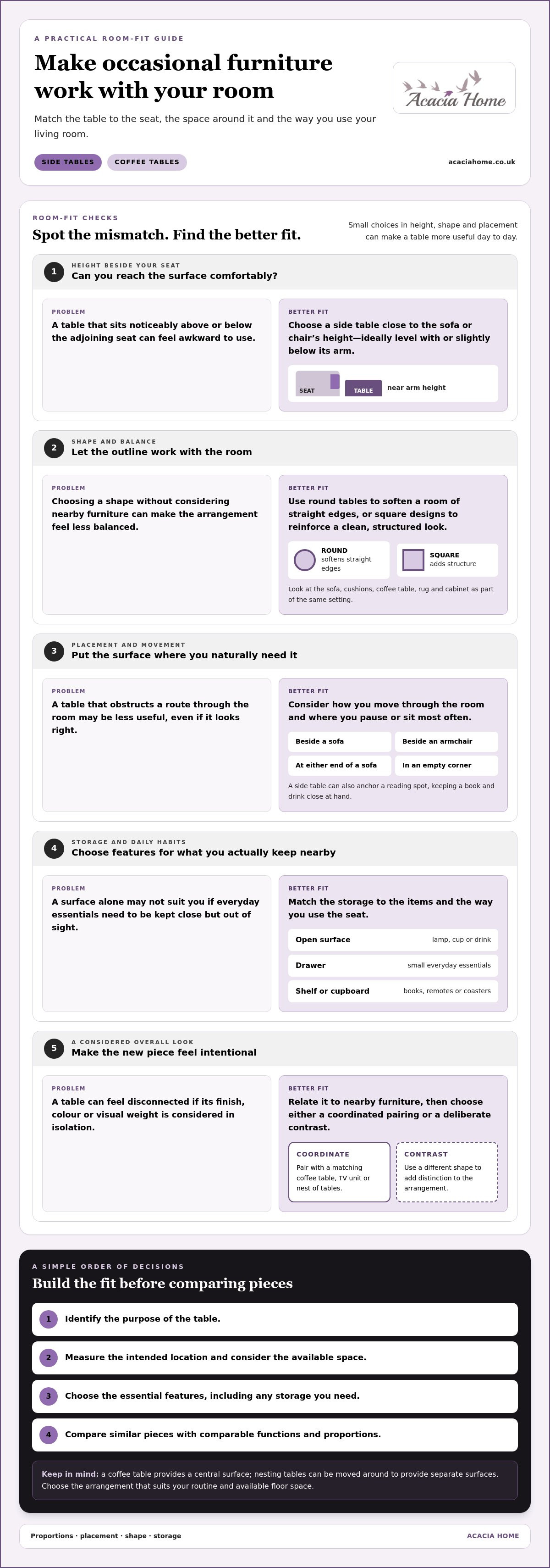
Start with the seat the table will serve. A side table beside a sofa or armchair should be close to seat height, level with or slightly below its arm. This keeps a lamp, drink, book or remote within easy reach. Compare the table’s height with the actual arm, rather than relying on how it looks beside another piece online. Even a small difference can affect how comfortably you use the surface.
Consider shape alongside your existing furniture. Round tables can soften a room filled with straight sofa edges, square cushions and angular shelving. Square designs can reinforce a clean, structured arrangement beside a sofa or armchair. Look at the shapes already in the room, including the coffee table, rug and cabinet. Choose an outline that complements them, rather than adding another shape without considering the overall balance.
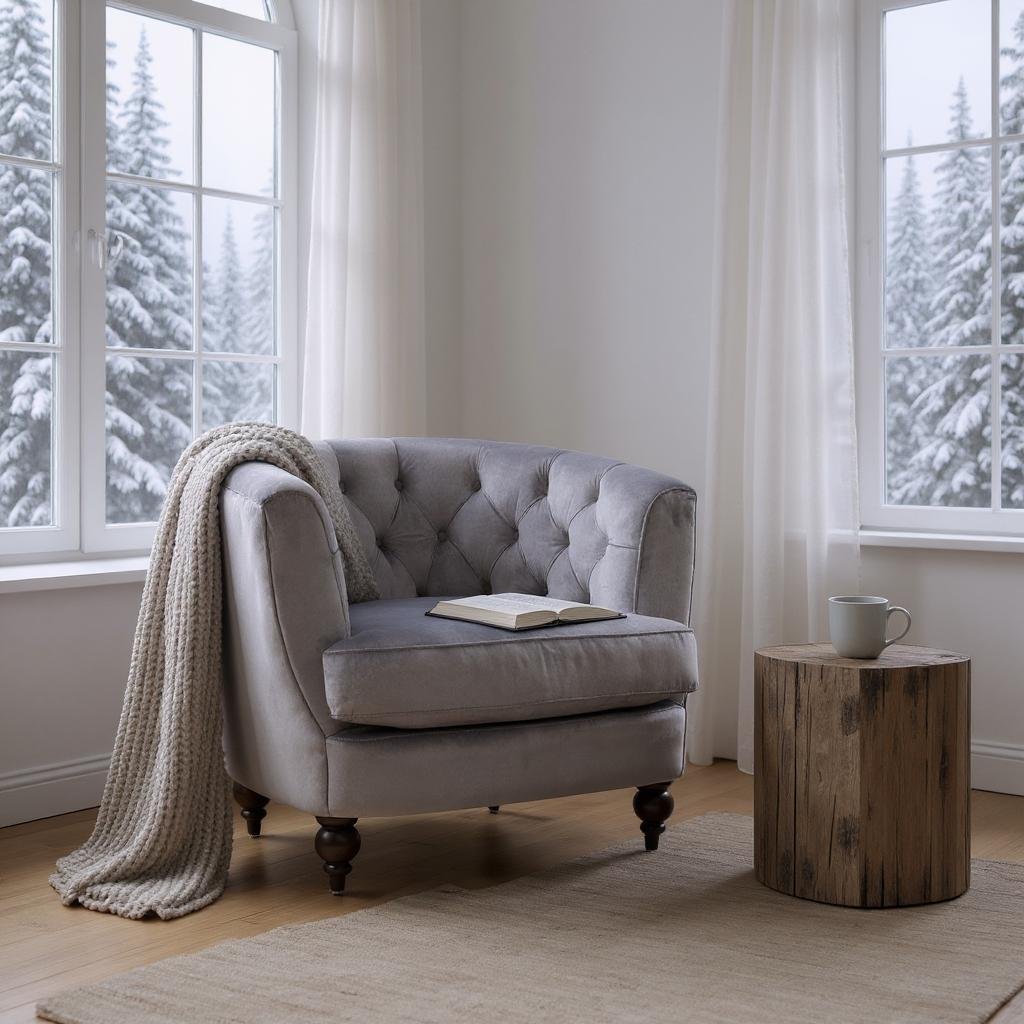
Placement affects movement as well as usefulness. A side table can sit beside a sofa, armchair or occasional chair, at either end of a sofa, or in an empty corner. It can also anchor a reading spot, keeping a book and drink close at hand. Before choosing, think about how you move through the room and where you naturally pause. A table that obstructs a route may be less useful than one beside your usual seat.
Match the table’s role to the storage you need. An open surface keeps a lamp or cup accessible, while drawers, shelves or cupboards can keep remotes, books and coasters out of sight. A side table beside a frequently used sofa, for example, might benefit from a drawer for small essentials. In a reading corner, an open shelf could keep books within reach. Let your everyday habits guide your choice.
For a unified look, relate the side table to the furniture already in the room. Pair it with a matching coffee table, TV unit or nest of tables for a coordinated effect, or use a contrasting shape to add distinction. Consider the colour, finish and visual weight of nearby furniture together. The aim is for the new table to feel intentional, whether it blends in or creates a focal contrast.
For a softer feel: consider a round side table beside a sofa with strong straight lines.
For a structured arrangement: choose a square design that echoes angular furniture.
For everyday storage: look for drawers, shelves or a cupboard suited to what you keep nearby.
Think beyond the living room if you value flexibility. A side table may also work as a bedside table if its size, height and storage suit the bedroom. Judge it in its new setting: check that the surface sits comfortably beside the bed and that any storage serves a practical purpose. A table that works in one room won’t automatically suit another.
Finally, view the arrangement from the places you use most. From the sofa, check whether a side table is reachable and whether it visually crowds the seating. From the doorway, notice how its shape relates to the rest of the room. These simple viewpoints help reveal whether the piece complements existing furniture or competes with it. For more ideas, explore this indoor furniture selection with your room’s layout and existing pieces in mind.
Acacia Home: Occasional Chairs
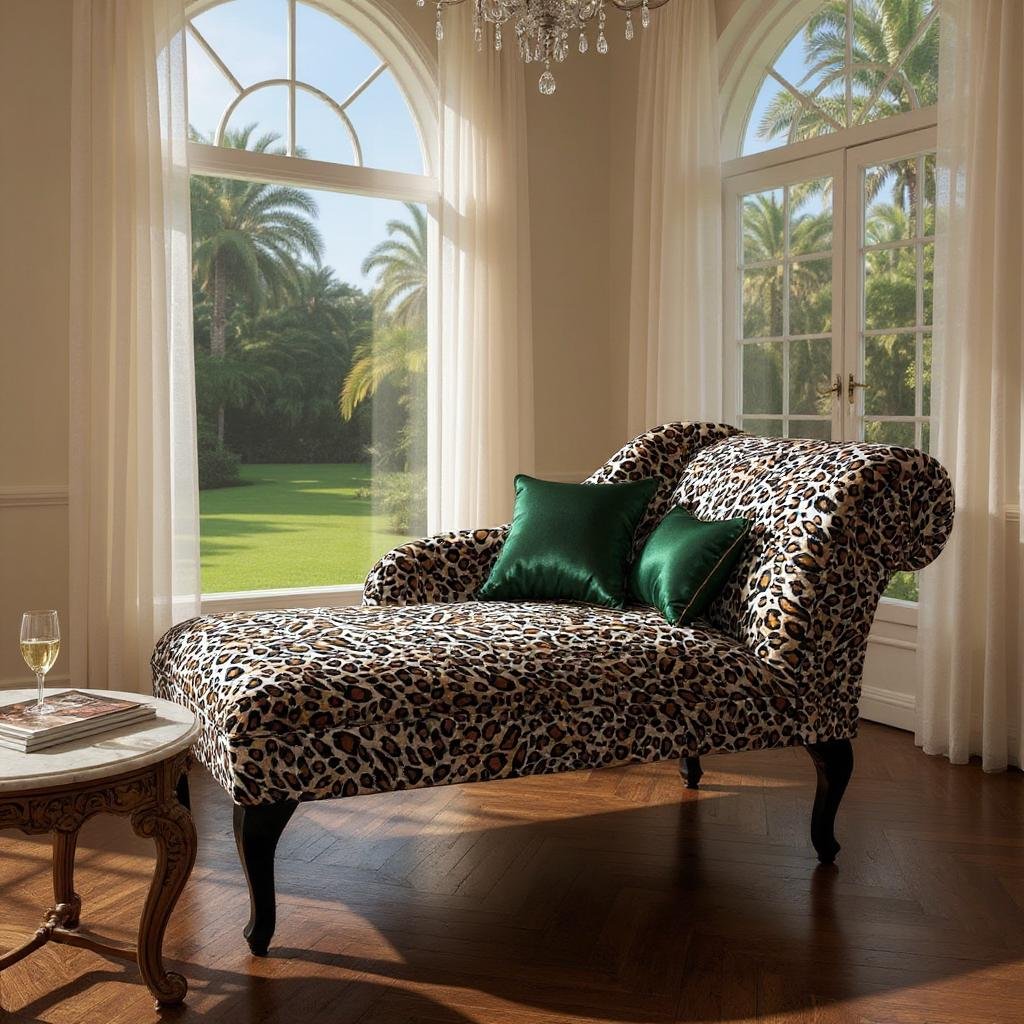
Acacia Home offers occasional chairs to add a considered seat to your living room, whether you’re completing a reading corner or creating an inviting spot beside the sofa. Footstools can complement the seating when you’d like somewhere to rest your feet, while chaise longues and window seats offer further ways to shape a comfortable, personal space. Dining chairs provide seating options for other rooms, too.
Once you’ve worked out the furniture your room needs, explore these seating options alongside your measurements and existing pieces. Think about where an extra chair would sit, how it relates to nearby tables and what role it should play in the room. For a closer look, visit acaciahome.co.uk.
Make your living room feel more like yours
Choosing occasional furniture in the UK is about creating a room that supports your routines and reflects your taste. Before buying, picture how you want the space to feel: restful for quiet reading, welcoming for conversation, or adaptable for everyday family life. That intention can help you choose a piece that belongs in the room, rather than one that simply fills an empty corner.
Acacia Home offers Occasional Chairs, Dining Chairs and Footstools to consider as you shape your home. Think about which piece would make the biggest difference to how you use your space, then explore the range online. A thoughtful choice can bring comfort and character to your home.
Contact Acacia Home to take the next step towards a living room that feels welcoming, considered and distinctly yours.
Frequently Asked Questions
What is occasional furniture?
Occasional furniture is complementary furniture that adds function or character without being a room’s main piece. Examples include coffee tables, side tables, nesting tables, console tables and footstools. These pieces can fill a practical gap, such as providing a surface beside a reading chair, or add a decorative accent beside a fireplace. The term describes how furniture supports a room, rather than a fixed shape or material.
What types of occasional furniture are popular in the UK?
Common choices for UK living rooms include coffee tables, side tables, nesting tables, footstools and occasional chairs. A compact console table may suit a narrow hallway, while a footstool can add a flexible surface or extra seating in a lounge. The right type depends on the room’s layout and how you use it. Nesting tables, for instance, can provide extra surfaces that tuck away when they’re not needed.
Which UK retailers sell occasional furniture?
Acacia Home offers occasional chairs, footstools, chaise longues and window seats, alongside tables and other furniture in its collection.
Comments