
What to Put in an Empty Living Room Corner for Style
Updated: 6 days ago
An empty living room corner doesn’t need furniture to feel finished. What to put in an empty living room corner depends on its size, natural light and how people move through the room. Consider a slim storage piece, a plant, an accent chair or artwork, then choose what best suits the space.
It’s easy to focus on the bare patch, but the right choice should feel connected to the rest of the room, not like an afterthought. A narrow, shaded corner may call for something different from a bright nook with room for a chair. Keeping walkways clear matters just as much as choosing something beautiful.
This guide will help you assess the corner before deciding what belongs there. Explore practical storage, greenery, inviting seating and wall art, with tips for making each option work with the space and light you have.
Table of Contents
1. Using a sideboard or tall bookcase for storage
A corner alcove can provide useful storage when the furniture suits its shape. A petite sideboard can hide board games, while a narrow bookcase keeps favourite reads visible without taking up the room’s centre. In a shallow nook beside a window, a console table with a lower shelf offers a lighter alternative and space for a lamp or decorative objects.
Choose a piece based on what it needs to hold. A tall bookcase uses vertical space for books and baskets; a small chest of drawers keeps chargers, remotes and other household bits out of sight. If the corner feels crowded, a compact unit with open shelves adds interest without creating a solid block. Painting a corner bookcase the same colour as the walls helps it blend into the room.
Floating shelves are useful when you need to keep the floor clear. Arrange them vertically to display books, framed photographs or a small plant, with heavier objects on lower shelves. In an alcove, shelves can follow the available wall space instead of jutting into the room. For a tidy arrangement, group related items, such as board games on one shelf and baskets of toys below.
Renter-friendly choices include freestanding furniture, removable storage baskets and decorative pieces that don’t need to be fixed to walls. A narrow bookcase or sideboard can fill an empty corner and move with you. For shelves or pegboards, choose a fixing method that suits your walls and tenancy.
Baskets and bins make open storage look considered while keeping smaller items easy to reach. Place a woven basket beneath a console for throws, or use matching boxes on a bookcase for cables and stationery. A freestanding rack can hold magazines or folded blankets. Pegboards with hooks and shelves offer flexible display space for tote bags or plants, and add a practical, workshop-inspired touch to a plain corner.
A corner cabinet is a good choice for concealed storage in a footprint designed to sit neatly against two walls. Use it for board games, serving pieces or family keepsakes, then reserve the top for a lamp or a small, edited display. In a tight alcove, compare the cabinet’s depth with the walking route before placing it.
2. Assessing corner size, location, lighting and traffic flow
Start by measuring the corner’s width and depth, then note doors, windows and nearby furniture. A narrow space beside a doorway needs a different arrangement from a generous alcove beside the sofa. Mark the footprint of a possible chair or side table with masking tape and walk past it as usual. If the route feels awkward, choose a slimmer piece.
To decorate a small living room corner without making it feel cluttered, keep the layout simple: choose one main piece and leave breathing space around it. A compact side table, a single plant or a wall light can add purpose without competing with the room’s other furniture. Limit the display to a few considered pieces, such as a lamp and a framed photograph.
Next, notice where daylight falls at different times. A corner beside a window can suit a reading chair, while a shaded recess may need a floor lamp or wall-mounted light. A mirror beside a window can reflect light and views into the room. Angle it towards the brighter outlook, not a blank wall, to make the reflection useful.
Layered lighting gives a corner flexibility. Combine a ceiling light with a floor lamp or adjustable wall sconce, so the area works for reading and quieter evenings. An arched floor lamp can reach over a chair or sofa without requiring a table beside it. For a sculptural touch, ceramic lighting can bring colour and texture to the scheme while serving a practical purpose.
Consider how each light source changes the mood. A floor lamp casts light at seating height, while a wall sconce can brighten a darker corner without taking up floor space. In a home office tucked into the living room, direct task lighting towards the desk and keep the surrounding area visually calm. Position the lamp so it won’t shine into someone’s eyes on the sofa.
Before choosing a statement piece, consider the ceiling height and the room’s overall layout. A tall lamp or mirror can draw the eye upwards in a narrow corner; a low table feels more balanced beneath a low ceiling. Keep chair legs, lamp bases and table edges out of the main walkway. The right choice should support how you use the space, not simply occupy it.
3. Plants and greenery
A tall plant can give an empty corner height and a softer outline without adding bulky furniture. Choose a shape to suit the room: a slim, upright plant works beside a bookcase, while a fuller leafy plant can become a feature near a window. Leave room for the leaves to spread without brushing the sofa or blocking a walkway. A carefully chosen plant adds natural colour and texture to unused floor space.
For a low-light corner, choose plants that tolerate lower light, such as a cast-iron plant, snake plant or ZZ plant. Place them away from draughts and direct heat, then observe how the leaves respond to the room. Light levels can change with the season and distance from a window, so a plant stand can bring a smaller pot closer to available daylight. Dwarf tree varieties can also suit living-room corners where sunlight, temperature or moisture may vary, with specialist collections such as mori-bonsai.com demonstrating how sculpted indoor trees can serve as elegant focal points.
Use a plant stand to add height and make a small collection feel composed. One taller pot beside a low plant creates different levels, while a matching pair can frame a cabinet or window. Keep the number of pots in proportion to the corner; a single sculptural plant often has more presence than several small containers scattered across the floor. Choose pots whose colour or finish connects with other details in the room.
For a layered vignette, place a small lamp and a tray beside a potted plant on a sturdy side table. The tray gathers a candle, coasters or a small object to keep the surface orderly; the lamp adds a warm pool of light after dusk. If floor space is limited, use a hanging terrarium or wall-mounted planter instead of another pot at ground level. Keep foliage clear of lamps and switches.
Real plants bring living texture, while a faux plant offers a consistent green accent in a difficult corner. Choose a realistic shape and a pot that suits the room, and avoid placing it where close inspection makes artificial leaves obvious. A tall real or faux plant can stand alone as the room’s green feature, especially beside a plain wall. In a brighter nook near a tall window, raise smaller houseplants on a table so their leaves meet the light. Leave empty space around each pot to keep the display intentional, not crowded.
4. Accent chairs, reading nooks and floor cushions
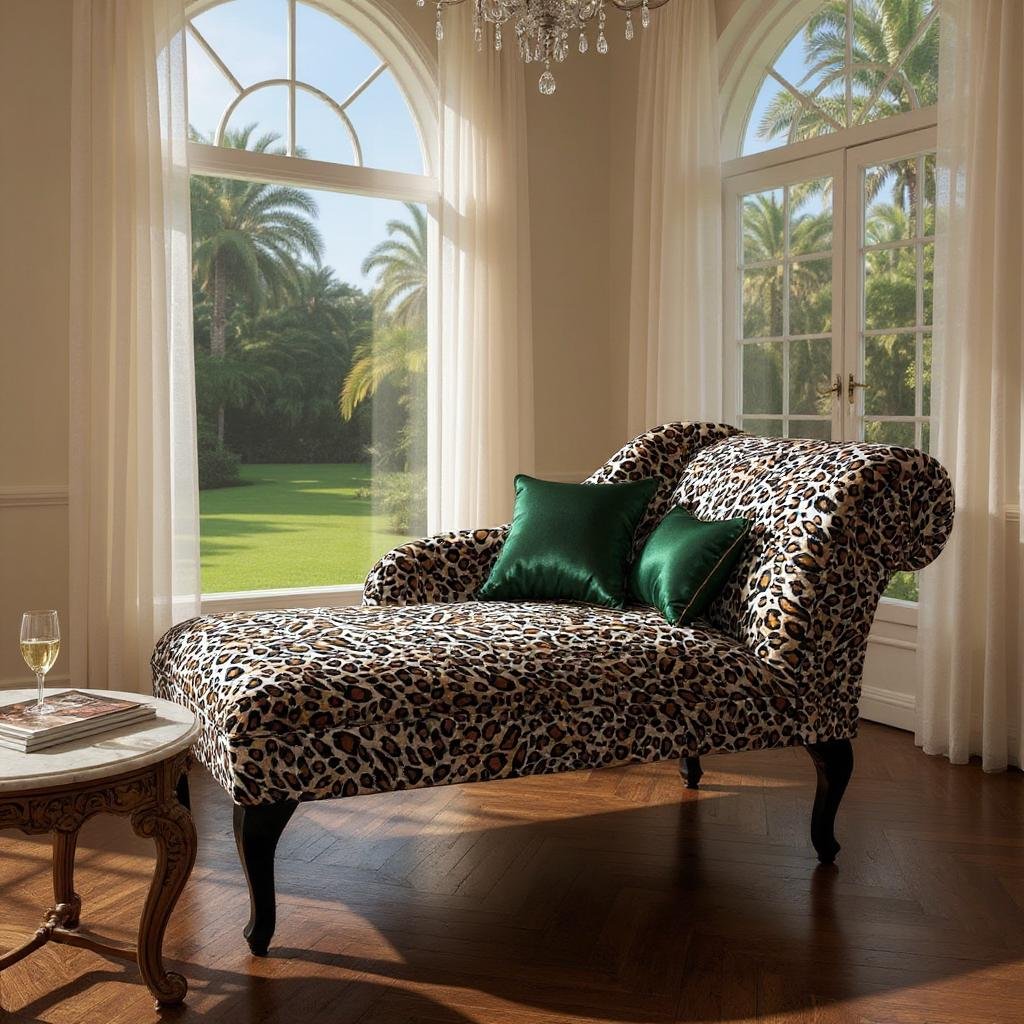
An accent chair can turn a quiet corner into functional seating, rather than a space used only for display. Choose a shape to suit the room: a compact occasional chair fits beside a bookcase, while a chaise longue creates a more relaxed place to stretch out. Angle the chair towards the sofa or into the room so it feels connected to the existing layout.
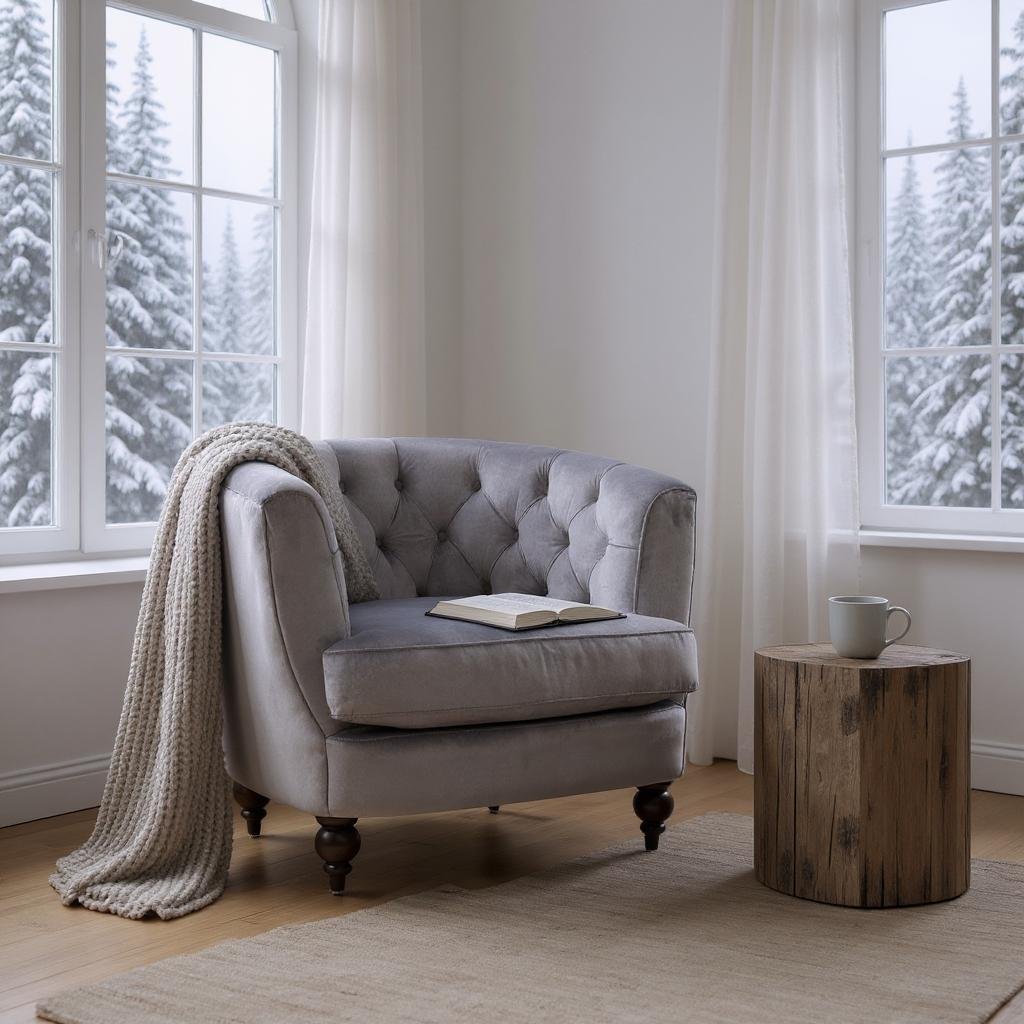
For a reading nook, pair a comfortable chair with a focused reading light and a small surface for a book or cup. The space can also work wonderfully as a quiet spot for hobbies; if you enjoy playing guitar, platforms such as Akordify let you turn online song videos into chord sheets to play along with from your chair. Add a footstool if there’s room to rest your feet, then keep the route past the seat clear. A single cushion or throw can add colour and texture without crowding the corner. This thoughtful combination makes the space inviting and useful between visits from guests.
A bookshelf beside the chair keeps favourite books within reach and gives the nook a natural boundary. Choose a low bookcase to preserve an open view across the room, or a taller shelf to make the reading spot feel more enclosed. Arrange books alongside a framed photograph or treasured object, leaving some shelf space clear so the display doesn’t feel busy.
In a larger living room, two chairs angled towards each other can create a conversation nook away from the main sofa. A small table between them gives guests somewhere to set down a drink, while a floor lamp can illuminate both seats. For a softer arrangement, combine an accent chair with floor cushions that can be moved aside when the room needs more space.
A corner armchair or accent chair in the UK doesn’t have one standard price. Its cost depends on factors such as the frame, upholstery, construction and size, so compare like with like when setting a budget. A fabric chair and a detailed, traditionally styled piece can differ in materials and finish, even when both suit the same corner.
A breakfast nook can also make a living room corner work harder, particularly near a window. An L-shaped bench with cushions creates a defined seating area, while a compact table gives the nook a practical purpose. Keep the table and bench in proportion to the available floor space, and choose upholstery that relates to the room’s palette. If a built-in bench isn’t suitable, movable chairs or floor cushions offer a flexible alternative.
There is no standard UK price for a corner armchair or accent chair. The cost depends on its frame, upholstery, construction and size, so compare chairs with similar features when setting a budget.
5. Wall art, gallery walls and art easels
Artwork can give a bare corner presence without taking up floor space. In a narrow nook, arrange two or three pieces vertically to draw the eye upwards. Choose prints, family photographs or a favourite vintage picture, then repeat a colour from the room’s cushions or curtains. This simple connection helps the arrangement feel part of the living room, not an isolated display.
If the corner joins two walls, extend related artwork across both surfaces to form a right angle. Start with the largest picture near the corner, then build outwards with smaller frames. Keeping frames at a consistent height creates a more traditional rhythm; mixing frame sizes feels more relaxed. For a balanced look, leave breathing space between each piece and avoid placing the outer frames too close to a doorway.
A gallery wall is useful when a single large picture would feel awkward or overwhelm the corner. Lay out the frames on the floor first, testing combinations before hanging them. A set of botanical prints, for example, can create a cohesive theme, while a mix of photographs and illustrations feels more personal. Keep one detail consistent, such as frame colour or subject matter, to connect varied pieces.
Wall coverings offer another way to add character without placing furniture in the corner. Textured wallpaper, a mural or a painted feature can turn a plain wall into a focal point. Choose a pattern that complements nearby shelves, upholstery or the dining area rather than competing with them. If the room already has bold prints, a subtle texture can add depth without introducing another strong visual element.
Before hanging anything, consider how the arrangement looks from the sofa and the room entrance. A piece that seems centred from one angle may appear off balance from another, especially beside a window or tall cabinet. Use painter’s tape to mark the planned outlines, then step back and adjust the composition. This simple trial helps refine the scale and spacing before making holes in the wall.
For a polished finishing touch, pair artwork with a considered piece of furniture beneath it. Explore indoor furniture to find a complementary anchor for the corner, while keeping the art as its visual focus.
Acacia Home
Acacia Home offers seating to help you bring your chosen corner idea into the room and balance comfort with character. If the space needs a welcoming place to pause, an occasional chair or footstool can complement the arrangement. For a relaxed reading spot or a window-side retreat, consider a chaise longue or window seat; dining chairs offer another seating option where their shape suits the layout.
Think about how you’ll use the corner, the available floor space and the style already present in your living room. These details can help you focus on a piece that feels considered rather than simply filling an empty patch. If you’d like to discuss seating for your living room corner, please contact Acacia Home.
Make the corner feel like yours
A living room corner can express how you want to feel at home, whether that means a quiet pause, a welcoming seat or a place for treasured objects. Deciding what to put in an empty living room corner becomes easier when you picture the moment you want it to support, then choose something that fits naturally into your daily routine.
Acacia Home offers occasional chairs, dining chairs and footstools to help shape a comfortable, considered seating arrangement. Let the character of your room guide your choice, and adjust the details as your needs change. A corner doesn’t have to be finished all at once; one thoughtful piece can be the start of a space that feels personal and complete.
Contact Acacia Home to explore seating for your living room corner and take the next step towards a home that feels unmistakably yours.
Frequently Asked Questions
What are the best ideas for an empty living room corner?
The best choice for what to put in an empty living room corner depends on what the room needs most: a useful surface, an extra seat or a focal point. For instance, a corner near the entrance might suit a narrow console for keys, while the space beside a sofa could become a spot for a drink and reading material. Choose one main purpose first, then add only details that support it.
What size floor lamp works best in a living room corner?
Choose a floor lamp that sits comfortably alongside nearby furniture without dominating the corner. A compact lamp suits a small nook, while a taller or arched design can balance a larger sofa or chair. Consider the shade as well as the base: a broad shade may feel bulky beside narrow furniture. Before deciding, position the lamp temporarily and view it from the doorway and your usual seat.
How to style a living room corner with shelves or a bookcase?
Style shelves by mixing useful objects with a few personal pieces, rather than lining every shelf with books. For example, group novels together, then add a small framed photograph or decorative bowl nearby. Varying the height of objects creates an appealing rhythm, while leaving some shelf space open prevents a crowded look. On a bookcase, use lower shelves for frequently reached items and keep delicate keepsakes higher.
What are practical living room corner ideas for extra storage?
Match storage to the items that tend to gather in that part of the room. A lidded basket can contain children’s toys, a magazine holder can keep reading material together, and a cabinet can conceal board games or cables. Keep frequently used belongings easy to reach, and give each container a clear purpose. This makes it easier to return items to their place instead of letting them spread across nearby surfaces.
How to create a cosy reading nook in a living room corner?
Create a cosy reading nook with a seat for an unhurried pause and a dedicated place for your current book. A small book stand or basket beside the chair keeps reading material close without filling the seat. Add a soft throw in a colour already found elsewhere in the room, then choose a bulb that feels comfortable for evening reading. A nearby socket can also make charging a reading device convenient.
How to choose corner furniture to suit a living room layout and walkways?
Choose corner furniture by considering how people enter, cross and use the room throughout the day. A rounded table can be easier to pass than one with sharp corners, while a chair with a visible gap beneath it can feel less substantial in a compact setting. Consider doors, drawers and reclining seats too, ensuring they can open or move without colliding with other pieces.
Comments